Veröffentlicht am
HOW CAN I FIND THE CORRECT AIR PRESSURE FOR MY MOUNTAIN BIKE?
Find the optimal tire pressure for your mountain bike: practical reference values, tips on terrain, riding style, and system weight, plus the benefits of AERON/TPU tubes.

Tire pressure is a highly underestimated factor in mountain biking. Still, it influences almost every part of the ride: traction, rolling resistance, comfort, and safety. Riders who set the correct tire pressure for their MTB notice the difference right away. This article discusses what matters, which reference values are useful, and how modern solutions like AERON/TPU TPU tubes can improve your setup even more.
Why Proper Tire Pressure Is Essential
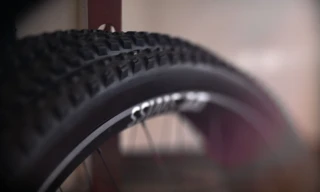
Pressure determines how the tire behaves on the surface beneath it. Too much air pressure rounds out the tire and reduces the contact patch. Overinflated tires also absorb less impact — the mountain bike feels harsh, loses full ground contact more quickly, and consequently loses grip, making it easier to wash out on loose trails.
Too little pressure, on the other hand, provides more traction and cushioning but carries its own risks. The rim can be damaged more easily, as can the tire itself. Additionally, excessive sidewall flex makes handling feel vague and mushy.
The optimal pressure is always the result of the interplay between:
- System weight (rider, bike, gear)
- Tire width and rim width
- Terrain and surface conditions
- Tire construction / carcass (e.g., XC vs. enduro tire)
- Speed
- Riding style and desired feel
The goal: maximum control combined with efficient forward momentum.

MTB Tire Pressure Reference Values
The following values serve as a reliable starting point. They apply to standard MTB setups with either a tube or a tubeless system.
| System Weight (lbs) | Riding Context | Front (psi) | Front (bar) | Rear (psi) | Rear (bar) |
| 155–185 | Trail / moderate terrain | 19–22 | 1.3–1.5 | 21–24 | 1.4–1.7 |
| 155–185 | Trail / technical | 17–20 | 1.2–1.4 | 19–23 | 1.3–1.6 |
| 185–220 | Tour / moderate terrain | 21–24 | 1.4–1.7 | 23–27 | 1.6–1.9 |
| 185–220 | Trail / technical | 19–22 | 1.3–1.5 | 21–25 | 1.4–1.7 |
| 220–255 | Tour / moderate terrain | 23–26 | 1.6–1.8 | 25–29 | 1.7–2.0 |
| 220–255 | Trail / technical | 21–24 | 1.4–1.7 | 23–27 | 1.6–1.9 |
These values are a starting point. Fine-tuning should always be done on an individual basis. For technically demanding trails, a slightly lower tire pressure is often chosen to improve traction and control — but this also increases the risk of pinch flats. Riders with an aggressive style or on very hard terrain should increase pressure accordingly or pay attention to more robust tire and rim combinations.
MTB TUBES FROM AERON/TPU
MTB – SuperLite Race AL
For mountain bike racers: ultra-light with extra-low rolling resistance. Its extremely compact packing size also makes it the perfect spare inner tube for tubeless riders.

MTB – ExtraLite Protect
Tech for trails: the best balance between puncture protection, low weight, and minimal rolling resistance The ideal choice for mountain bikers. Lighter. Faster. More durable.

Factors That Influence Target Pressure
1. Terrain and Surface Conditions
The surface mainly influences how much traction the tire can generate.
- Loose terrain (gravel, forest floor, sand): Reduce pressure by about 2 to 3 psi (0.1 to 0.2 bar). A larger contact patch offers better grip and more control.
- Hard-packed terrain (hardpack, asphalt): Increase pressure by approximately +2 to +3 psi (+0.1 to +0.2 bar). It reduces rolling resistance and boosts efficiency.
2. Riding Style / Speed
Riding style affects the amount of stress on the tire and rim.
- Aggressive riding style (high speed, hard lines, jumps): Increase pressure by approximately +2 to +4 psi (+0.15 to +0.3 bar). This provides more stability and reduces the risk of pinch flats.
- Controlled / smooth riding style: Reduce pressure by about –1 to –2 psi (–0.05 to –0.15 bar). Offers more comfort and noticeably better traction.
3. Rim Width and Tire
Rim width affects how securely the tire fits on the rim.
- Wide rim (modern MTB rims with about 30 mm internal width): Reduce pressure by roughly 1 to 2 psi (0.05 to 0.15 bar). The tire sits more securely and can be run at lower pressure.
- Narrow rim: Increase pressure by approximately +1 to +2 psi (+0.05 to +0.15 bar). More structural stability for the tire.
4. Tubeless or Tubed
The setup directly affects the minimum rideable pressure.
- Tubeless system: Achieves approximately –2 to –5 psi (–0.15 to –0.35 bar) lower pressure. Reduces risk of pinch flats since snakebites aren't possible; provides more traction on technical trails.
- Classic butyl tube: Requires approximately +2 to +4 psi (+0.15 to +0.3 bar) more pressure than tubeless. Offers protection against snakebites and provides more stable handling under load.
- AERON/TPU tubes: TPU tubes like those from AERON/TPU require about 1–3 psi (roughly 0.1 to 0.2 bar) less pressure than traditional butyl tubes. Their superior flat protection also means snakebites happen less often compared to butyl or latex tubes.
5. Carcass / Tire Construction
An ultra-light cross-country tire features a paper-thin sidewall and requires high pressure to maintain its shape. In contrast, a tough enduro or downhill tire—like a Maxxis DoubleDown or Schwalbe Super Gravity—has a very stiff, multi-ply carcass and can operate at much lower pressures.
Precise Setup: Pressure Gauge and Pump
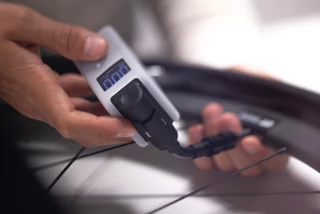
Dialing in tire pressure accurately requires the right tools. A dependable pressure gauge is essential, since mini pumps often deliver inaccurate readings.
Recommendations:
- Floor pumps or digital pumps offer the highest accuracy
- A properly seated pump head prevents pressure loss during inflation
- Regular checks before every ride are a good habit
Even small differences of 1–2 psi can noticeably alter how the bike feels. Tip: Once you've found your personal optimal pressure, write it down — for example, on a sticker on your pump or under your saddle.
Modern Tube Technology as a Performance Factor
AERON/TPU MTB Series: Light, Efficient, Reliable
Aside from pressure and tires, the inner tube itself is crucial. Classic butyl tubes are still common but tend to be heavy and less responsive.
This is where modern TPU tubes come in. AERON/TPU's MTB Series provides two specialized options for serious riders:

SuperLite Race
Designed for maximum performance. It is on average 81 percent lighter than a traditional butyl tube, reducing rotational mass and providing a quick, responsive feel. Perfect for performance-focused mountain biking. Features a high-quality aluminum valve stem with a removable valve core, compatible with valve extenders. Also works well as a backup tube for tubeless setups.
ExtraLite Protect
Offers a lightweight design — on average 59 percent lighter than butyl — combined with improved flat protection. Ideal for technical trails and tough terrains.
Both product lines accommodate 27.5" and 29" wheels. Their light weight significantly boosts acceleration and maneuverability. At the same time, they maintain their shape at lower air pressures, which broadens the effective pressure range.
The Impact on Handling and Control
A properly set tire pressure improves the entire riding experience.
- More grip in corners
- Better control and a more comfortable feel on rough terrain
- Reduced risk of pinch flats
- Greater comfort on long rides
Paired with a lightweight TPU tube, the result is a precise, direct feel that delivers real benefits on technical terrain or during long days in the saddle.

Conclusion: The ideal pressure is personal — but predictable
The correct tire pressure for a mountain bike doesn't happen by chance. It results from clear factors and can be intentionally optimized. Riders who start with reference values and adjust gradually will quickly find their ideal setup.
Paired with high-quality components like the AERON/TPU SuperLite Race and ExtraLite Protect tubes, there's even more potential to unlock. Because less weight, more control, and an improved ride feel matter just as much on the trail as getting the pressure right.
Product Series
ROAD SERIES
Ultra-light, super-fast and mega-compact: AERON/TPU road bike tubes are trimmed for maximum performance. Depending on the discipline and intended use, they guarantee you the perfect set-up with a focus on maximum weight saving and minimum rolling resistance or outstanding puncture protection.
CX/GRAVEL SERIES
TPU technology, perfectly designed for off-road use: Lightweight, puncture-proof, low rolling resistance and the smallest pack size. AERON/TPU offers high-performance tubes for gravel and cyclocross racers as well as variants with maximum puncture protection for bikepackers and ultra-riders.
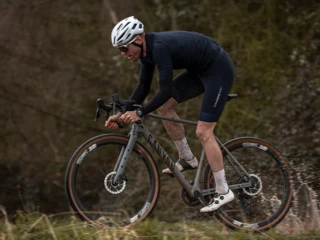
MTB SERIES
Tech for trails: AERON/TPU provides the perfect tube technology for mountain bikers with the best compromise between lightness, puncture resistance and low rolling resistance. Specific models offer you the perfect tube for your favourite mountain bike discipline, depending on your preferred terrain or riding style.

CITY/TOUR SERIES
Developed for bikers who want maximum reliability in everyday use. AERON/TPU tubes for city and touring are characterised by optimised puncture protection. Their low weight and low rolling resistance also increase performance and the fun factor on every tour.