WHAT MAKES A BICYCLE TUBE RESISTANT TO PUNCTURES?
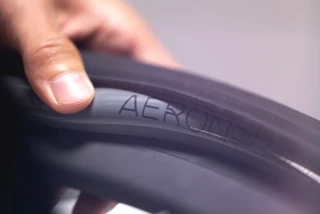
What exactly is a puncture-resistant bike tube, and how does it differ from traditional bike tubes? First, when it comes to flat protection on a bicycle, the tire does most of the work compared to the tube. While the tube holds the air inside the casing, it's mainly the tire's job to keep sharp objects from piercing it. Since this can't be prevented entirely, a puncture-resistant tube or a tubeless setup can boost the tire's level of protection.
A tube can achieve above-average puncture resistance through its material, wall thickness, and additional features like sealant liquids.
Puncture-resistant bike tubes from AERON/TPU
Road – ExtraLite Protect AL
The Road ExtraLite Protect with aluminum valve stem is perfectly tuned for performance road biking – lightweight, puncture-resistant, low rolling resistance, and compact packing size.

MTB – SuperLite Race AL
For mountain bike racers: ultra-light with extra-low rolling resistance. Its extremely compact packing size also makes it the perfect spare inner tube for tubeless riders.

CX/Gravel – ExtraLite Protect
Perfectly tuned for athletic use beyond paved roads – lightweight, puncture-resistant, low rolling resistance, and compact packing size.

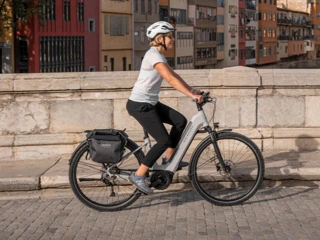
City/Tour – UltraProtect
Outstanding puncture protection for touring and daily commuting. Low weight and reduced rolling resistance increase the fun factor on every ride.

Protection Levels
- 1
- 2
- 3
- 4
- 5
- 6
Level 2: Race / Maximum Performance
Superlight weight with fastest rolling performance and high puncture resistance in a micro packed size.
- 1
- 2
- 3
- 4
- 5
- 6
Level 3: Endurance / High Performance
Perfect balance of extra-high puncture resistance with extra-light weight and fast rolling performance.
- 1
- 2
- 3
- 4
- 5
- 6
Level 6: Durability / Performance
Uncompromising combination of ultra-high puncture resistance and ultra-durability with maximum air retention and light weight.
Puncture-resistant bike tubes — What should you consider when buying?
Anyone looking to replace their tube or upgrade to one with better flat protection should know not only the size (in inches or millimeters) of their tire when making a purchase but also the valve type. The tube and tire size can always be found on the side of the tire, consisting of two numbers for the tire's circumference and cross-section. It's best to write down the pair of numbers in the ETRTO format, which combines the three-digit outer diameter of the rim and the tire width as a two-digit millimeter figure, such as 622 x 40. Ignore the values given in inches, like 28 x 1.4. When in doubt, write down or photograph all the information on the tire as well as the valve, and seek some advice.
Choosing the correct valve
Since Presta, Dunlop, and Schrader valves need different-sized holes in the rim, any new puncture-resistant bike tube must use the same valve type. Important: pay attention to the correct valve length! If the valve is too short, not enough of it will protrude from the rim to make a secure connection with the pump head. If the valve is too long, you could bend or break the oversized valve while pumping. If your valve is tightly screwed into the rim and not just held in place by a lock nut, you're using a tubeless setup without a bike tube. While such a system can be converted to run with a tube, inexperienced riders should seek advice before attempting this. Regarding flat protection, tubeless tires are statistically better than butyl rubber tubes, while modern TPU tubes perform roughly the same as a tubeless setup.

Which tube is puncture-resistant, and which one is more resistant than the others?
Three materials have become prominent in bike tube manufacturing, each providing varying levels of flat resistance. The largest market share still goes to butyl rubber, a synthetic material. On the decline is a natural rubber emulsion called latex, which is now only used in ultralight tubes.

Modern plastic bike tubes
The material currently leading as the best tube for bikes is thermoplastic polyurethane. This heat-moldable and highly elastic plastic — TPU for short — is more resistant to punctures and damage while requiring significantly less material. Unlike butyl or natural rubber, TPU can be layered with different characteristics, giving the finished tube a wide range of properties. Like the other two materials, wall thickness can be increased to improve flat protection in TPU tubes, but modern plastic is far more efficient in the thickness-to-protection ratio. TPU's elasticity and flexibility let the tube wall deform greatly before any mechanical damage, meaning it takes more force for a foreign object to puncture the casing. This provides high puncture resistance even at low wall thicknesses. So, a TPU tube is more puncture-resistant, lightweight, and generates little rolling resistance.

Puncture resistance via the valve
The valve has only a minimal effect on flat protection. The Presta valve can be closed with a threaded cap on the valve core, making it more reliable than the open Schrader valve, which opens and closes based on air pressure. Conversely, the Schrader valve — also called an auto valve — has less risk of snapping the valve core during pumping. Overall, puncture resistance is nearly the same for both, with a slight practical disadvantage for the Schrader valve.

What does "puncture-resistant" mean compared to "unpuncturable"?
The term "unpuncturable," sometimes used in marketing, is misleading—especially when it comes to bike tires and tubes. Any product filled with gas can still leak through mechanical damage. While flat protection can reduce the chances of a puncture, it can't eliminate it entirely. The only products that are truly unpuncturable are foam inserts called air liners, which are placed inside the tire instead of a tube and effectively replace the air. However, installing these inserts is quite challenging, and the bike's handling tends to be noticeably worse compared to similar pneumatic tires, even in large-volume sizes like 28 or 29 inches. Aside from tubeless systems—which are somewhat more demanding to maintain—TPU tubes currently offer the best potential for being genuinely puncture-resistant.

Product Series
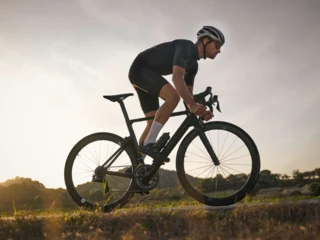
ROAD SERIES
Ultra-light, super-fast and mega-compact: AERON/TPU road bike tubes are trimmed for maximum performance. Depending on the discipline and intended use, they guarantee you the perfect set-up with a focus on maximum weight saving and minimum rolling resistance or outstanding puncture protection.
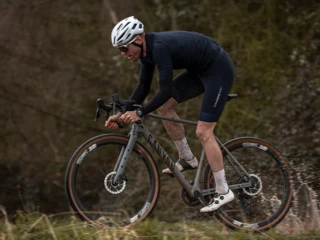
CX/GRAVEL SERIES
TPU technology, perfectly designed for off-road use: Lightweight, puncture-proof, low rolling resistance and the smallest pack size. AERON/TPU offers high-performance tubes for gravel and cyclocross racers as well as variants with maximum puncture protection for bikepackers and ultra-riders.
MTB SERIES
Tech for trails: AERON/TPU provides the perfect tube technology for mountain bikers with the best compromise between lightness, puncture resistance and low rolling resistance. Specific models offer you the perfect tube for your favourite mountain bike discipline, depending on your preferred terrain or riding style.

CITY/TOUR SERIES
Developed for bikers who want maximum reliability in everyday use. AERON/TPU tubes for city and touring are characterised by optimised puncture protection. Their low weight and low rolling resistance also increase performance and the fun factor on every tour.