Veröffentlicht am
THE CORRECT VALVE LENGTH FOR EACH BIKE TYPE
Bike tubes usually come with different valve lengths. But which is the right one for you? We'll clarify.
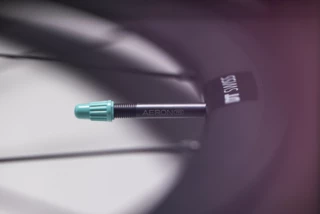
For many cyclists, choosing a replacement tube at the store can be confusing. Without knowing tire diameter, width, valve type, valve length, and tube material, it's easy to feel lost. The confusing labels don’t make it any easier to answer the simple question: Which tube do I actually need?
Basic Principle: The Tube Must Fit the Rim and Tire
The tube must first fit the rim, then the tire. The rim's height (rim profile) and valve hole size determine which valve type and length are compatible. Wheel diameter and rim width affect the choice of the correct tire size and tube.

TPU vs. Butyl: Innovative Tube Materials
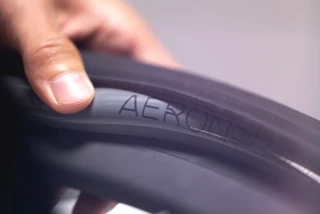
Independent of rim and tire considerations, you also have a choice of tube material – classic butyl rubber or modern TPU (thermoplastic polyurethane). This innovative plastic makes products like the AERON/TPU possible, which packs down to about one-third the size and weighs half as much as a standard tube, while also being more puncture-resistant and reducing rolling resistance.
Tubeless Systems and Their Valves
In tubeless systems, where the tire seals directly against the rim without a tube, the valve length is the main factor to consider. These systems use latex sealant and a separately mounted valve with an airtight threaded connection. Tubeless setups almost always use Presta valves, and their length is determined in the same way as for replacement tubes.
Finding the Right Tube for Your Bike
When selecting the right size, the best reference is the tire itself – the measurements are molded into the sidewall. Focus on a three-digit number (e.g., 622), along with a two-digit number indicating tire width.
Bike Tubes from AERON/TPU
City/Tour – UltraProtect
Outstanding puncture protection for touring and daily commuting. Low weight and reduced rolling resistance increase the fun factor on every ride.

CX/Gravel – ExtraLite Protect
Perfectly tuned for athletic use beyond paved roads – lightweight, puncture-resistant, low rolling resistance, and compact packing size.

MTB – SuperLite Race AL
For mountain bike racers: ultra-light with extra-low rolling resistance. Its extremely compact packing size also makes it the perfect spare inner tube for tubeless riders.

Road – ExtraLite Protect AL
The Road ExtraLite Protect with aluminum valve stem is perfectly tuned for performance road biking – lightweight, puncture-resistant, low rolling resistance, and compact packing size.

Reading Tire Sizes Accurately
Number combinations like 40-622 will also be seen on the matching tube. The two-digit width value appears on the packaging either as a range (32 to 40-622) or as several compatible options (32-622, 35-622, 37-622, 40-622). Because tubes are elastic, a single tube fits multiple widths.
Practical Tip for Buying Tubes
Replacement tube displays are typically organized by inch sizes rather than the metric system. Most current bikes use 28-inch rims, which measure 622 millimeters. Exceptions include children's bikes and cargo bikes, which have wheel sizes ranging from 12 to 28 inches. The inch size is also marked on the tire (e.g., 28 x 1.2 or 28 x 1¼).
Valve Types and Their Differences
Valves are standardized, but multiple standards exist. Out of five different valve designs, three have become common in cycling.
Presta Valves (SV) are used almost exclusively on road bikes, gravel bikes, and high-performance mountain bikes (also known as Sclaverand or French valves, marked as SV on packaging).
Schrader Valves (AV) tubes labeled AV use a Schrader valve, also known as an auto valve. The stem is thicker than on Presta valves and can be inflated at gas stations without needing an adapter.
Dunlop Valves (DV) The classic Dunlop valve (marked DV) has become rare. It features a thicker stem but a narrower tip, and the pump head requires the same seal diameter as a Presta valve.
Tubeless Valves and Their Benefits: Tubeless valves almost always adhere to the Presta standard. They provide the lowest air loss rate, and their diameter is better suited for narrower, performance-oriented rims. Despite having a lock nut, the tubeless valve still needs to extend far enough from the rim to function properly.

Valve Type Compatibility
Schrader and Dunlop valves use the same rim hole size of 8.3 millimeters plus tolerance and are interchangeable during installation. However, only pumps with a universal head work with both valve types. Presta valves require a 6.2-millimeter hole.
The Correct Valve Length for Various Bike Types
Bike tubes are marked on the packaging with their dimensions, valve type, and valve length. The valve length is typically listed next to the valve type – for example: SV 40.
Valve Lengths and Their Designations: The listed number doesn't always match the actual valve length in millimeters. While technically, nearly any length from about 20 to over 150 millimeters can be made, the most common options are 40, 60, 80, and sometimes 100 millimeters or intermediate sizes, depending on the manufacturer.
Minimum Requirements for Safe Use
What matters most is the minimum clearance: the valve must extend sufficiently from the rim for the pump head to seal properly. An overhang of 15 to 20 millimeters should be the goal. For Presta valves, the valve pin should not be included as part of the stem length.

Standard and Specialty Valves
Standard valves have a stem length of 40 millimeters, which is adequate for simple box-section rims or lightly profiled rims. For especially deep or aerodynamic road bike rims, this length is insufficient – depending on rim height, 60- or 80-millimeter valves will be required.
How Can I Find My Ideal Valve Length?
There are three methods to determine the correct valve length:
Method 1: Measure the old tube
The most reliable way is to remove the old tube and measure the valve directly.
Method 2: Measure while installed
Place a ruler with the zero mark at the valve tip and measure along the valve down to the rim edge. Since the valve sits at the bottom of the rim bed, subtract 10 millimeters as a rule to find the actual valve length.
Method 3: Choose your bike type
City and trekking bikes use rims with 12–20 mm height and can use standard 40 mm valves (SV40, DV40, AV40).
Road bikes and triathlon bikes with carbon wheels and aerodynamic rims need valve stems at least 60 mm long, usually Presta valves (SV60).
Race bikes with very deep-section rims (80–100 mm) require longer valves (SV80), though these are rarely needed for everyday riding.

Valve Length Flexibility and Valve Extenders
You don't always need to replace a tube with the exact same valve length. When unsure, choose the longer option.
Risks of valves being too short or too long : Valves that are too short can cause sealing problems with the pump head. Valves that are too long are less problematic but cost more and create a slightly greater imbalance in the wheel. The longer lever arm also increases the risk of damage.
Valve extenders: Convenient but not perfect. If you choose to use valve extenders, pick a tube with a shorter valve to prevent making the stem too long, which could restrict airflow.
General recommendation: Since air loss can happen at the threaded connection of a valve extender, using a properly sized valve of sufficient length is always better than relying on an extender.
Product Series
ROAD SERIES
Ultra-light, super-fast and mega-compact: AERON/TPU road bike tubes are trimmed for maximum performance. Depending on the discipline and intended use, they guarantee you the perfect set-up with a focus on maximum weight saving and minimum rolling resistance or outstanding puncture protection.

CX/GRAVEL SERIES
TPU technology, perfectly designed for off-road use: Lightweight, puncture-proof, low rolling resistance and the smallest pack size. AERON/TPU offers high-performance tubes for gravel and cyclocross racers as well as variants with maximum puncture protection for bikepackers and ultra-riders.

MTB SERIES
Tech for trails: AERON/TPU provides the perfect tube technology for mountain bikers with the best compromise between lightness, puncture resistance and low rolling resistance. Specific models offer you the perfect tube for your favourite mountain bike discipline, depending on your preferred terrain or riding style.

CITY/TOUR SERIES
Developed for bikers who want maximum reliability in everyday use. AERON/TPU tubes for city and touring are characterised by optimised puncture protection. Their low weight and low rolling resistance also increase performance and the fun factor on every tour.